Best Roof Estimating Software for Contractors in 2026
Kelvin Spratt
Founder, Supplement Snap · February 17, 2026
Key Insight
$1,500–$3,200
Average supplement recovery per job (the gap most software misses)
Key Takeaways
Compare the best roof estimating software for contractors in 2026. Satellite measurement, field documentation, CRM, and supplement tools. What to look for and how they work together.
What roof estimating software does and why it matters
Roof estimating software helps contractors measure roofs, calculate material quantities, generate cost estimates, and produce professional proposals, faster and more accurately than manual methods. In 2026, the category has expanded well beyond simple calculators. Modern roof estimating tools pull satellite imagery, integrate with supplier pricing, sync with CRMs, and even generate insurance-ready documentation.
For roofing contractors, the right software stack directly impacts revenue. Accurate estimates mean fewer jobs underbid. Faster measurements mean more proposals generated per day. Professional-looking reports build homeowner confidence and increase close rates. And for insurance restoration contractors, the ability to produce Xactimate-compatible documentation can mean the difference between recovering full claim value and leaving thousands on the table.
The challenge is that no single tool does everything. The roof estimating software market is fragmented across several categories, and contractors often need two or three tools working together to cover the full workflow, from initial measurement through final supplement submission. Understanding what each category does and where the gaps are helps you build a stack that actually pays for itself.
Category 1: Satellite measurement tools
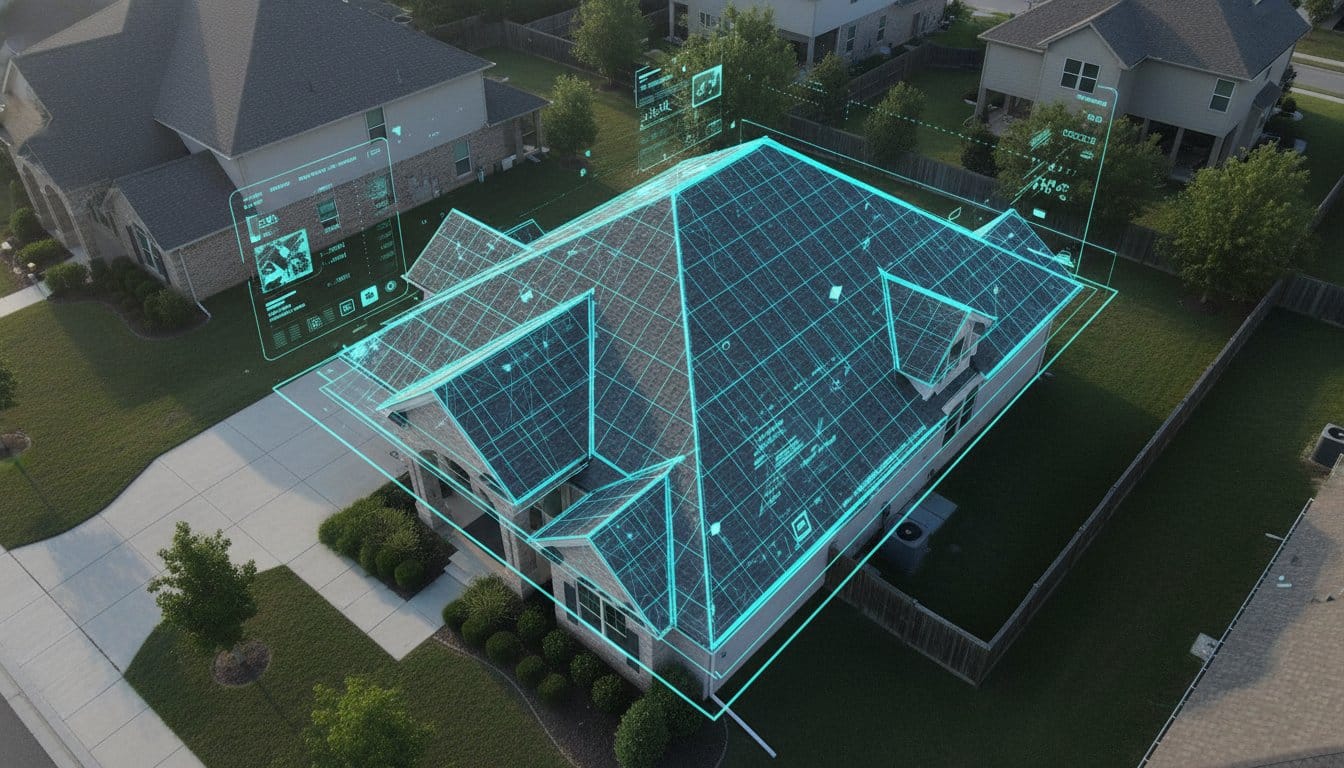
Satellite measurement tools let you measure a roof remotely using aerial imagery, no ladder climb required. You enter an address, the software pulls high-resolution satellite or drone imagery, and you get a detailed roof report with square footage, pitch, ridges, valleys, hips, rakes, eaves, and waste factor.
Popular satellite measurement platforms in 2026 include:
EagleView: The industry standard for roof measurement reports. Provides detailed geometry including facet-level measurements, pitch by slope, and suggested waste percentages. Reports are widely accepted by insurance carriers and are often used by adjusters themselves. Pricing runs $15–$50 per report depending on volume and turnaround time.
GAF QuickMeasure: A strong competitor to EagleView with competitive pricing and fast turnaround. Integrated with GAF's contractor programs and offers material-specific waste calculations.
Roofr: Combines instant satellite measurements with a built-in proposal tool. Strong for residential contractors who want to generate a measurement and a customer-facing quote in one step. Offers a free tier with limited features and paid plans starting around $100/month.
SkyMeasure (by CoreLogic): Popular with insurance-focused contractors and carriers. Provides detailed reports used in the claims process.
Satellite measurement tools are excellent for generating initial estimates and proposals before visiting the property. Their limitation is that they show you what the roof looks like from above. They cannot tell you what is hiding underneath the existing materials. The condition of the decking, flashing, underlayment, and other concealed components remains unknown until someone physically inspects or tears off the roof.
Category 2: Estimating and proposal platforms
Once you have measurements, estimating platforms help you turn those numbers into material lists, labor calculations, and customer-facing proposals. Some are standalone; others are built into larger CRM systems.
Key platforms in this space:
Xactimate (by Verisk): The industry standard for insurance restoration estimating. If you do insurance work, you need Xactimate. Adjusters use it, carriers expect it, and supplements must be submitted in its format. Pricing is subscription-based, starting around $200/month for the desktop version. The learning curve is steep, but it is non-negotiable for restoration work.
RoofSnap: Combines aerial measurements with a built-in estimating tool. Allows you to draw roof diagrams, calculate materials, and generate proposals. Popular with residential retail contractors. Plans start around $100/month.
JobNimbus: A full CRM with built-in estimating capabilities. Tracks leads, generates estimates, manages projects, and handles invoicing. Strong for contractors who want one system for the entire sales pipeline. Plans start around $150/month.
AccuLynx: Another CRM-plus-estimating platform focused on roofing. Includes aerial measurements, material ordering integration, and project management. Geared toward mid-size and larger roofing companies.
These platforms are strong for generating retail estimates and managing the sales process. For insurance restoration, Xactimate is the essential tool, but even Xactimate only covers the estimating side. It does not capture field documentation, generate supplement narratives, or help your crew document what they find on the roof.
Category 3: Field documentation and supplement tools
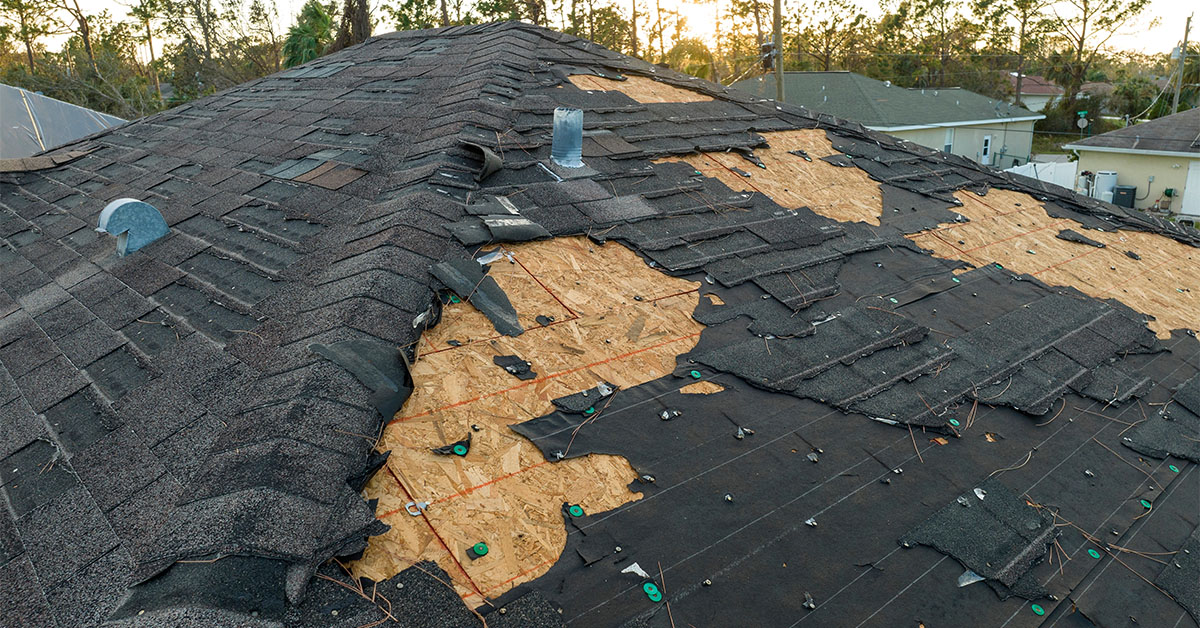
This is the newest and most underserved category in roofing software. Field documentation tools focus on what happens after the sale, specifically capturing evidence of damage discovered during roof tear-off and turning that evidence into supplement requests.
Why this category exists: On insurance restoration jobs, the adjuster writes an initial estimate based on visible damage. When the crew tears off the existing roof and finds concealed damage (rotted decking, failed flashing, missing ice and water shield), that damage needs to be documented, written up, and submitted as a supplement to the insurance carrier. This process has historically been manual, inconsistent, and slow.
Traditional workflow: Crew texts blurry photos to the office. Project manager tries to remember what the damage looked like. Someone writes up a narrative days or weeks later. An office admin manually builds the Xactimate line items. The supplement gets submitted late with weak documentation and often gets denied.
Modern workflow: Field documentation tools replace this entire process by enabling the crew to capture and tag damage from the roof in real time. Photos are organized by damage type and roof location. Narratives are generated automatically. Xactimate line items are mapped and exported. Reports are produced on-site the same day.
This category is critical because it captures revenue that the other categories cannot. Satellite measurement tools do not see hidden damage. Estimating platforms do not capture field evidence. CRMs do not generate supplement documentation. The average supplement recovery of $1,500–$3,200 per job means that a field documentation tool can be the highest-ROI software in your entire stack.
Key features to look for in roof estimating software
When evaluating any roof estimating software, these features separate tools that save time from tools that actually make you money:
Accuracy of measurements: For satellite tools, how current is the imagery? Are pitch readings accurate? Does the waste factor match reality? An inaccurate measurement leads to an inaccurate estimate, which leads to either overbidding (losing the job) or underbidding (losing money).
Integration with Xactimate: If you do any insurance work, your software needs to speak Xactimate's language. Look for the ability to export Xactimate-compatible line items, codes, and pricing. This applies to both initial estimates and supplements.
Speed of output: How quickly can you go from address to proposal? Or from damage discovery to supplement submission? Time is money in roofing. A tool that saves 30 minutes per estimate across 200 estimates per year gives you back 100 hours.
Mobile-first design: Roofing happens on roofs, not at desks. Any tool that requires a desktop computer for core functions creates a bottleneck. The best tools let your crew capture data in the field and let project managers review and submit from anywhere.
Team collaboration: Can your crew in the field and your office staff work from the same data? Real-time sync between field and office eliminates the game of telephone that kills supplement documentation.
Multilingual support: In many markets, roofing crews speak Spanish as their primary language. Software that supports Spanish voice notes, interface, or input removes friction for the people actually on the roof.
Professional output: Whether it is a homeowner proposal or an adjuster report, the document that leaves your company represents your brand. Clean, professional PDFs with labeled photos and organized findings build credibility and improve approval rates.
Building your roofing software stack
Most successful roofing contractors in 2026 use a combination of tools rather than relying on a single platform. A practical stack for an insurance restoration contractor looks like this:
Satellite measurement (EagleView, Roofr, or GAF QuickMeasure) for remote measurements and initial estimates
Xactimate for insurance-format estimating and adjuster communication
A CRM (JobNimbus, AccuLynx, or similar) for lead tracking, project management, and invoicing
A field documentation and supplement tool for capturing hidden damage and generating supplement reports
Retail contractors who do not work insurance claims can often get by with a satellite measurement tool and a CRM with built-in estimating. But any contractor who touches insurance work, even occasionally, needs the supplement documentation piece.
The question to ask about each tool in your stack is simple: does it pay for itself? A $50 measurement report that helps you close a $15,000 job is an obvious yes. A $200/month CRM that keeps 20 leads from falling through the cracks is an obvious yes. And a supplement tool that recovers $2,000+ per job on work you are already doing is perhaps the highest-ROI investment of all.
Why supplement documentation is the missing piece
Of all the categories in roofing software, supplement documentation is the one most contractors are either missing entirely or handling manually. Satellite measurement tools have been mainstream for years. Xactimate has been the industry standard for decades. CRMs have penetrated the market deeply. But the step between tear-off and supplement submission (the actual field documentation) remains the biggest gap in most contractors' technology stack.
This gap costs money on every single insurance job. When documentation is weak, supplements get denied. When supplements are skipped because the process is too cumbersome, revenue stays on the table. When office staff spend hours writing narratives and building Xactimate line items from blurry text-message photos, overhead increases.
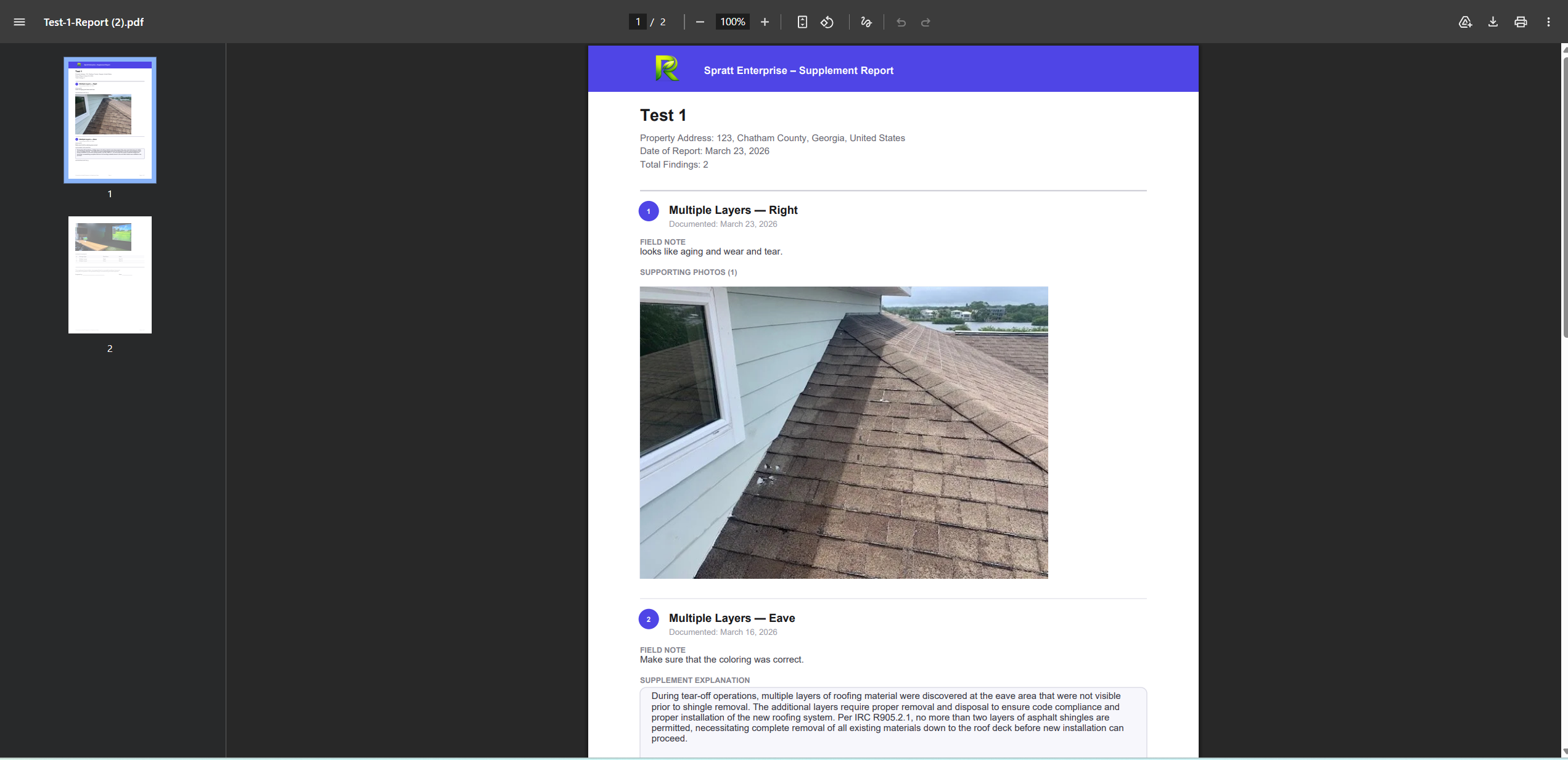
Supplement Snap was built specifically to close this gap. It sits between the field and the adjuster's inbox. Your crew captures damage during tear-off (photos, tags, voice notes) and the platform generates professional supplement documentation with AI-written narratives, Xactimate-ready CSV exports, and branded PDF reports. The entire process happens on-site, same-day, from a mobile device.
For contractors evaluating their software stack in 2026, adding a dedicated supplement documentation tool is often the single highest-impact change they can make. Not because the other tools are not important (they are), but because supplement revenue is real money on jobs you are already performing, and the only thing standing between you and that revenue is proper documentation.
For a broader look at how these tools fit together, see our roofing software comparison.
References & Resources
Ready to streamline your supplement process?
Supplement Snap helps your crew capture hidden damage during tear-off and generate adjuster-ready reports in minutes.
Written by
Kelvin Spratt
Founder, Supplement Snap
Kelvin builds software for roofing contractors who are tired of leaving supplement money on the table. His background in software development and insurance restoration workflows drives everything Supplement Snap does.